Abstract Wall Art: How to Choose the Right Style for Your Home

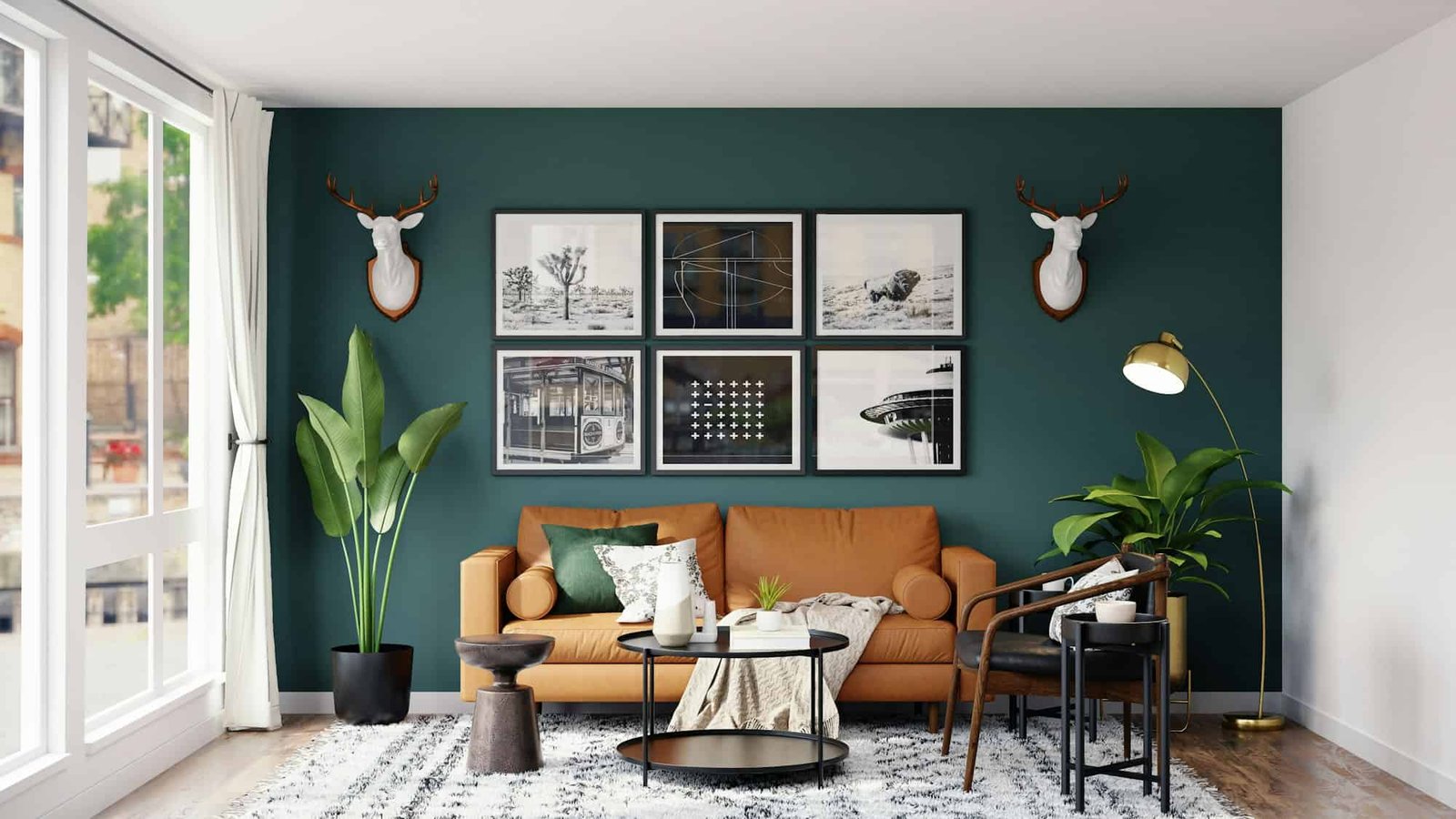
Abstract wall art is one of the easiest ways to give a room more character. It does not need to show a familiar place, person, or object to make an impact. Colour, shape, texture, and scale can create a mood that suits your home, whether you want a calm living room, a bold dining space, or a more personal study.
How to choose abstract wall art for your home
The best abstract artwork is not the loudest piece in the collection. It is the one that works with your wall, furniture, lighting, and daily life. Start with the room you want to improve, then choose the level of colour and contrast that feels comfortable in that space.
1. Decide what you want the artwork to do
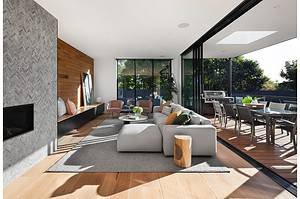
Every room has a different need. In a quiet bedroom, abstract art can add softness through gentle lines and muted colours. In a living room, it can become a focal point above the sofa. In a dining space, it can bring energy and help the room feel more complete. Knowing the role of the piece makes the choice easier.
Ask one simple question before you browse: do you want the art to blend in or stand out? A blend-in piece supports the existing décor. A statement piece creates contrast and gives the eye a clear place to land.
2. Choose colour with the room in mind
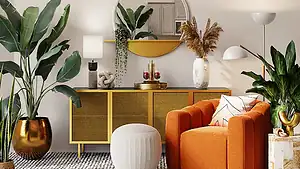
Look at the colours already in the room: the sofa, rug, curtains, cushions, wood finish, and wall paint. You can choose a print that repeats one or two of those colours, or choose a contrasting colour to bring more life to a neutral room. Both approaches work when they are intentional.
Warm shades such as terracotta, mustard, rust, and deep red can make a room feel energetic and cosy. Cooler shades such as blue, sage, grey, and soft green can feel calmer. Black-and-white abstract art gives strong contrast without adding another colour to the room.
3. Get the size right before you order
Size matters more than most people expect. A small print above a large sofa can look lost, while an oversized piece can overwhelm a compact wall. Measure the wall and the furniture below it before choosing. For a single artwork above a sofa or bed, a width of roughly two-thirds to three-quarters of the furniture is a useful starting point.
If your wall is narrow, a vertical print can help draw the eye upward. A horizontal design often works better above a sofa, sideboard, or dining table. For a large blank wall, consider a pair of related pieces or a gallery arrangement instead of forcing one small print to do all the work.
4. Use shape and movement to set the mood
Abstract art can feel calm or dramatic depending on its lines and forms. Soft curves, open space, and gentle colour transitions usually suit relaxed rooms. Sharp angles, bold blocks of colour, and high contrast feel more energetic. Neither choice is better; it depends on how you want the room to feel.
Think about the furniture too. A room filled with straight lines and boxy furniture may benefit from art with curves and flowing shapes. A room with soft furnishings and rounded forms may suit a more structured geometric design.
5. Pick a frame that supports the artwork
A black frame can give abstract art a crisp, modern edge. Natural wood can add warmth, especially in rooms with plants, woven textures, or wooden furniture. White frames can make lighter artwork feel clean and open against pale walls. The frame should support the print, not compete with it.
If you are using more than one abstract piece in the same room, matching frames are an easy way to make the display feel planned. You can still mix colours and subjects inside the frames while keeping the overall look tidy.
6. Create a gallery wall with abstract prints
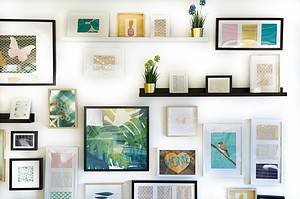
Abstract prints work well in gallery walls because they can share colours or shapes without being identical. Start with one larger anchor piece and add smaller pieces around it. Keep the frame gaps consistent and test the arrangement on the floor before hanging anything.
A simple method is to choose a palette of two or three colours, then select prints that include at least one of them. This creates variety while helping the wall feel connected. Leave open space around the gallery wall so it does not make the room feel crowded.
7. Place art where people will actually see it
The wall above a sofa is popular because it is visible from most of the room. But you can also use an empty wall opposite the seating area, a dining nook, a hallway, or a reading corner. Consider how people enter the room and where they naturally look first.
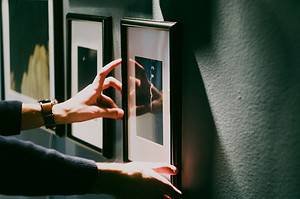
Avoid hanging art too high. For a main piece, the centre should sit near eye level for the people who use the room. When it goes above furniture, leave a comfortable visual gap so the furniture and artwork feel like one arrangement.
Abstract wall art ideas by room
- Living room: one large statement piece or a balanced gallery wall.
- Bedroom: softer colours, simple shapes, and calming compositions.
- Dining room: bolder colour or a pair of related prints for energy.
- Study: clean geometric art or colour that helps the room feel focused.
- Hallway: a vertical print or small sequence of coordinated frames.
A simple buying checklist
Measure your wall first. Decide whether you want a single statement piece or several prints. Choose a palette that relates to the room. Check the orientation, frame options, and product dimensions. Finally, view the intended placement in daylight and evening light before you order.
If you are also choosing artwork for the main seating wall, read our guide to modern wall art for living rooms. For help with frames, size, and ordering, see the Framed Wall Art Buying Guide.
Find an abstract print that feels right for your space
You do not need to understand art theory to choose abstract wall art well. Measure the wall, notice the colours in your room, and choose a print you enjoy looking at. The best piece is one that makes your home feel more like yours, not one that simply follows a trend.
Frequently asked questions
What is abstract wall art?
Abstract wall art uses colour, shape, line, texture, and composition rather than a clear, realistic subject. It can create a mood or visual interest without showing a specific scene.
How do I choose abstract art for my living room?
Start with your wall size, sofa width, existing colour palette, and the mood you want. Then choose a print that either repeats key colours in the room or creates a deliberate contrast.
Can abstract art work in a traditional home?
Yes. Choose colours and frame finishes that relate to your existing furniture and décor. A traditional room can still use modern abstract art when the placement and palette feel balanced.
Should I choose one large print or several small pieces?
Choose one large print for a clear focal point. Choose several pieces when you want a gallery wall or need to fill a larger area. Measure first so the arrangement matches the scale of the room.
Get ₹100 off your first order
Sign up and we'll send your code right away. You'll also hear about new wall art and offers first.
First order only. Min. order ₹999.