

Modern Wall Art for Living Room: How to Choose the Right Style & Size

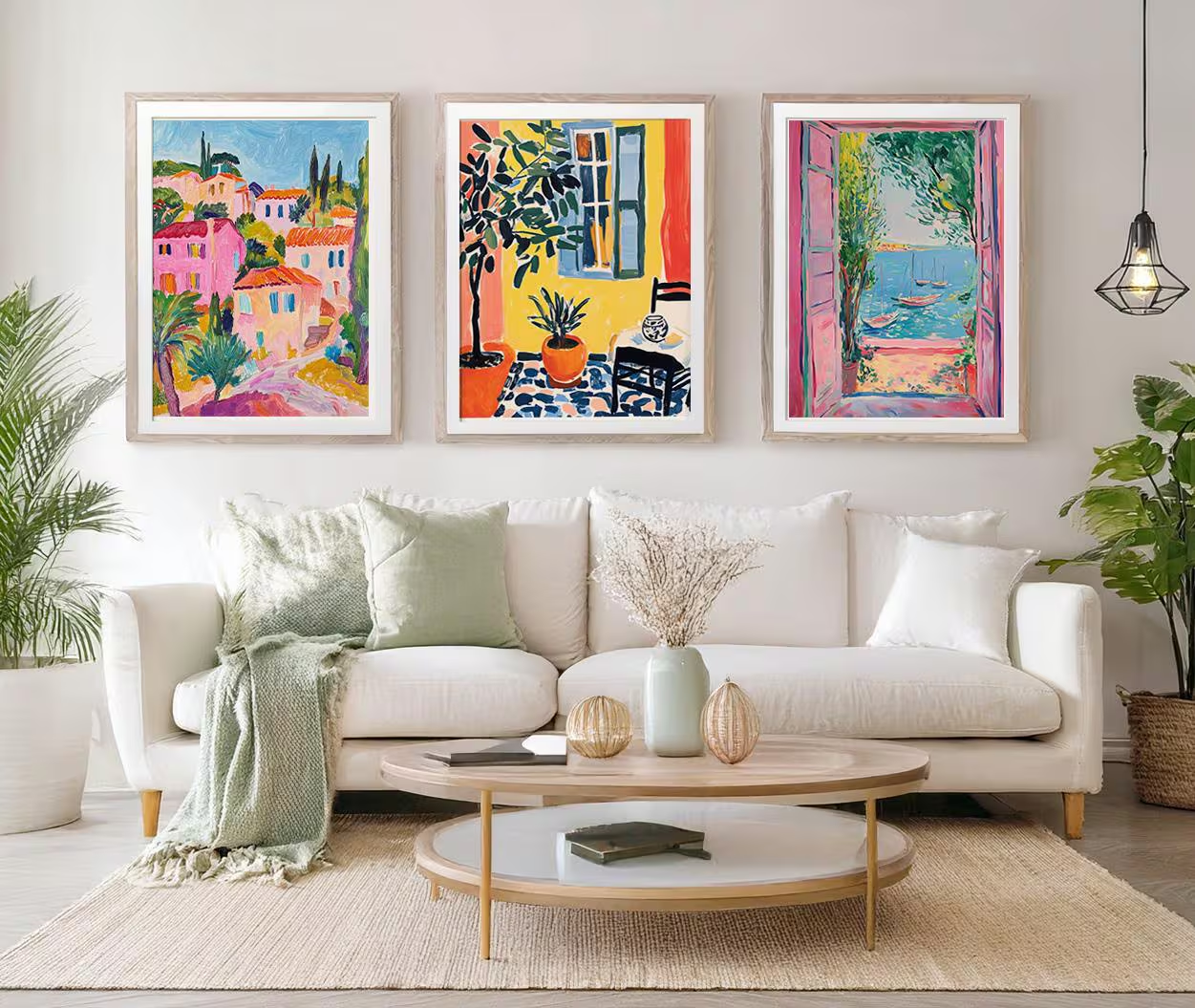
Modern wall art can change the feel of a living room without changing the furniture or repainting the whole space. The right piece gives the eye somewhere to rest, brings together the room’s colours, and makes the space feel more personal. This guide helps you choose art by wall size, style, colour, and placement so the result looks considered rather than random.
Modern wall art ideas for your living room
There is no single modern style. It can mean a calm neutral print, bold abstract colour, clean line art, photography, typography, or an artwork with an Indian influence. What matters is how the piece works with the room you already have. Start with the sofa, the largest empty wall, and the colours you use most often.
1. Use one large piece above the sofa
A single large artwork is often the simplest answer for the wall above a sofa. It creates a focal point without making the room feel busy. Choose a landscape orientation for a long sofa or a wide horizontal wall. A vertical print can work well beside a sofa, near a window, or in a narrow corner.
Before ordering, measure both the sofa and the available wall space. As a starting point, artwork that is roughly two-thirds to three-quarters of the sofa width often looks balanced. Leave some clear wall around it so the print has room to stand out.
2. Build a gallery wall when one print is not enough
A gallery wall suits people who want to show more than one interest or style. You can mix abstract art, travel prints, typography, photographs, and illustrations. To stop the arrangement from looking scattered, choose one element that repeats: similar frames, a limited colour palette, or a shared theme.
Plan it on the floor first. Keep the gaps between frames consistent and begin with the largest piece near the middle. A gallery wall works especially well behind a sofa, above a console, or along a hallway wall where guests can view the pieces while walking past.
3. Choose colours that support the room
Look at your cushions, rug, curtains, and furniture before choosing a print. If the room already has strong colours, a neutral or black-and-white artwork can give it breathing space. If the room is mostly beige, grey, white, or wood, a bolder print can add energy and become the focus.
You do not need an exact colour match. One or two colours that repeat in the artwork are usually enough to make it feel connected to the room. View your shortlist in daylight and under your evening lights because the same print can look very different after sunset.
4. Pick a modern style that feels like you
Abstract art is a good choice when you want colour, movement, or a strong visual statement without a literal subject. Geometric prints can suit clean, structured interiors. Botanical and nature-inspired artwork can soften a modern room. Typography works best when the words feel personal and are not trying to fill every wall.
If you want a calm, uncluttered look, explore minimalist wall art. For expressive colour and shape, browse abstract wall art. Choose the style you enjoy first; trends are useful for ideas, but you will live with the artwork every day.
5. Balance the frame with the artwork
The frame has a big effect on the final look. Black frames give modern prints a crisp outline and work well with monochrome or graphic art. Natural wood adds warmth and can soften a room with lots of smooth surfaces. White frames help light, minimal pieces blend into pale walls.
For a gallery wall, keep the frame finish consistent if the images are very different. If the images already share a clear theme, you can mix a few frame types, but do it deliberately. The goal is balance, not perfect matching.
6. Hang your wall art at a comfortable height
A common mistake is hanging art too high. For a main piece, place the centre near eye level for the people using the room. When artwork sits above a sofa or console, leave a comfortable visual gap between the furniture and the frame. This makes the display feel connected rather than floating.
If you are unsure, use paper templates cut to the print size and tape them to the wall. Move them around during the day and see how the layout looks from the doorway, seating area, and dining table before making a final decision.
7. Use art to improve small or awkward living rooms
In a small living room, choose one well-sized artwork instead of several small pieces that can create clutter. Vertical art can help draw attention upward in a room with a low ceiling. A horizontal arrangement can make a narrow wall feel wider. Light colours and open compositions often feel less heavy than dark, crowded images.
In a larger room, a small print may get lost. Use a larger statement piece, a pair of related prints, or a gallery wall. The best size depends on the wall, the furniture, and how far away people will view it from.
8. Choose the right room for each subject
The living room is a shared space, so choose art that feels welcoming to the people who use it. Abstract artwork, city scenes, nature, architectural prints, and family-interest themes can all work well. Save very personal or quiet subjects for bedrooms, studies, and private corners if you prefer a more neutral shared space.
If you are decorating more than one room, repeat a colour or frame finish across the home instead of using the same subject everywhere. This keeps the spaces connected while letting each room have its own character.
A simple checklist before you buy
- Measure the wall and the furniture below it.
- Choose one main style or colour direction.
- Check the print orientation and available size.
- Think about daylight, glare, and the room’s lighting.
- Plan the hanging height before you order.
Find modern wall art that fits your home
Start with the wall you want to improve, not the number of products you can browse. Measure it, decide whether you want one statement piece or a gallery wall, then choose a style that works with the colours and furniture already in the room. This makes online shopping faster and gives you a more useful shortlist.
For help with choosing framed prints, read our Framed Wall Art Buying Guide. When you are ready to compare styles, explore the Desiwall collection and select art that feels right for your space.
Frequently asked questions
What type of wall art is best for a modern living room?
Abstract, minimalist, geometric, botanical, and photography prints can all work in a modern living room. Choose a style that supports the room’s existing colours, furniture, and mood rather than following one fixed rule.
How big should wall art be above a sofa?
A useful starting point is artwork that spans about two-thirds to three-quarters of the sofa width. The available wall space and the room size should guide the final choice.
Can I mix different modern art styles in one room?
Yes. Use a shared frame colour, palette, or theme to connect different pieces. That gives the room variety without making the display feel random.
Where should I hang wall art in a living room?
The wall above the sofa is a natural focal point, but artwork can also work above a console, beside a window, near a reading corner, or on a large blank wall opposite the seating area.
Get ₹100 off your first order
Sign up and we'll send your code right away. You'll also hear about new wall art and offers first.
First order only. Min. order ₹999.