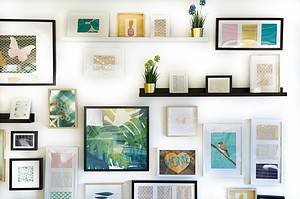
8 Easy DIY Wall Art Ideas for Indian Homes

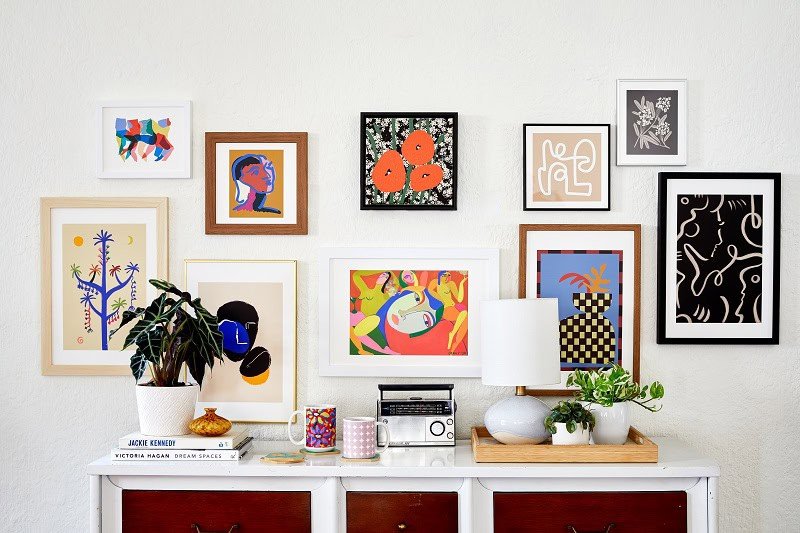
DIY wall art is a simple way to make your home feel personal without buying expensive materials. You can use paper, leftover fabric, old frames, paint, photographs, and objects already in your home. The best project is one that suits your skill level, available time, and the wall you want to decorate.
The ideas below are suitable for beginners and Indian homes of different sizes. Start with one small project, test the colours near the intended wall, and use safe hanging methods that suit the weight of the finished piece.
8 easy DIY wall art ideas for Indian homes
1. Paint a simple abstract canvas
You do not need professional painting skills to create simple abstract art. Choose two or three colours already present in your room. Apply the lightest colour first, then add broad shapes, curves, or lines after each layer dries. Leave some empty space so the canvas does not feel crowded.
- You need: canvas board, acrylic paint, two brushes, and a cloth.
- Best for: living rooms, bedrooms, studies, and rented homes.
- Difficulty: easy to medium.
If you want style references before painting, look at our guide to choosing abstract wall art. Use it for colour and placement ideas rather than copying a design exactly.
2. Make botanical prints with leaves
Leaves can create attractive shapes without drawing. Choose flat leaves with clear veins, apply a thin layer of water-based paint, and press them onto thick paper. Let the prints dry fully before placing them in simple frames. A group of three small botanical prints can look more balanced than one tiny piece on a large wall.
Use leaves that have already fallen where possible. Wash and dry them before painting. This project works well with green, terracotta, black, or muted gold, depending on the room.
3. Frame leftover fabric or saree pieces
A beautiful piece of fabric can become wall art when it is stretched neatly inside a frame. Use leftover saree borders, block-printed cotton, embroidery, or a fabric with a pattern that has meaning for your family. This is a useful way to preserve a small section of a damaged garment or textile.
Iron the fabric on a suitable setting, place it over a firm backing, and keep the pattern straight before closing the frame. A matching set can bring Indian colour and craft into a modern room without making the space feel overly traditional.
4. Create a paper-cut gallery wall
Coloured paper is an affordable choice for renters, students, and anyone who enjoys changing décor often. Cut simple arches, circles, leaves, or geometric shapes from thick paper. Arrange them on a contrasting background and frame the finished compositions.
Choose one colour family so the result looks organised. For example, use beige, rust, mustard, and brown for a warm palette, or blue, grey, white, and black for a cooler modern look. Make two or three related pieces instead of filling the whole wall at once.
5. Build a personal photo grid
A photo grid can turn family memories, travel photographs, or everyday moments into meaningful wall décor. Select images with a shared theme or similar colours. Print them in the same size and arrange them in a clean grid, or combine a few sizes while keeping the outer edges aligned.
Avoid placing valuable original photographs in strong sunlight. Use copies when possible and choose removable strips suitable for the wall surface if you live in a rented home.
6. Refresh old frames with paint
Old frames can look completely different with careful cleaning and a new finish. Remove the glass and backing before painting. Lightly sand wooden frames if the surface is rough, wipe away the dust, and apply a suitable water-based paint. Black, white, natural wood tones, and muted colours are easier to combine in a gallery wall.
Work in a ventilated area and follow the paint manufacturer’s instructions. Keep children away from wet paint, sharp fittings, and glass. Once the frame is fully dry, add a print, fabric sample, pressed flower, or handwritten message.
7. Make wall art from magazine and packaging paper
Old magazines, gift wrapping, and clean packaging can become a collage. Cut colours, words, and shapes that fit one theme. Arrange everything without glue first, then attach the pieces to sturdy card when the composition feels balanced.
A collage can be bold, but it still needs a clear focal point. Use one large image or shape, then support it with smaller elements. Place the finished work behind glass if you want to protect the paper from dust and moisture.
8. Create simple typography art
Typography wall art can feature a short family phrase, a meaningful word, a line in your preferred Indian language, or a simple house rule. Keep the wording brief so it remains easy to read from across the room. Use one clear type style and leave enough empty space around the text.
You can write by hand, use letter stencils, or print the design. Test the spelling carefully before framing it. For a shared living space, choose words that feel natural to your family rather than a phrase selected only because it is trending.
How to plan your DIY wall art
Measure the wall before starting. Decide where the finished piece will hang and how it will relate to nearby furniture. A project that looks large on a table may still appear small above a sofa. Use paper templates on the wall to test the size and position.
- Choose a project that matches your time and skill level.
- Limit the palette to colours that work with the room.
- Prepare the wall and use suitable hanging hardware.
- Keep heavy objects away from beds, seating areas, and children’s reach.
- Step back and check the arrangement before fixing everything permanently.
DIY art or ready-made wall art?
DIY is a good choice when you enjoy making things, want to reuse meaningful materials, or need a low-cost personal project. Ready-made art is useful when you want a polished finish, a specific size, or a coordinated style without spending several hours on materials and preparation.
You can also combine both. Place your handmade piece beside one or two framed prints, using a shared colour or frame finish to connect them. Our modern living-room wall art guide can help you plan the size and placement.
Frequently asked questions
What is the easiest DIY wall art for beginners?
Paper-cut designs, leaf prints, framed fabric, and simple abstract paintings are good beginner projects. They use common materials and can be completed without specialist tools.
How can I make DIY wall art look organised?
Use a limited colour palette, repeat one frame finish, and keep spacing consistent. Measure the wall and test the arrangement with paper templates before hanging the finished work.
What DIY wall art works well in rented homes?
Lightweight framed paper, fabric art, photo grids, and removable paper designs can work well. Use removable strips only when they are suitable for the wall finish and the weight of the item.
Can children help make DIY wall art?
Yes, with adult supervision. Choose washable, child-safe materials and avoid sharp tools, glass, spray paint, and heavy hanging hardware during children’s activities.
How to care for homemade wall art
Keep paper, fabric, and painted pieces away from damp walls and strong direct sunlight. Dust frames gently with a dry cloth, and check adhesive strips or hooks from time to time. If a handmade piece begins to fade or loosen, repair it before rehanging it. Simple care helps your project stay neat and prevents lightweight decorations from falling unexpectedly.