

Spiritual Wall Art for Pooja Room: How to Choose the Right Piece

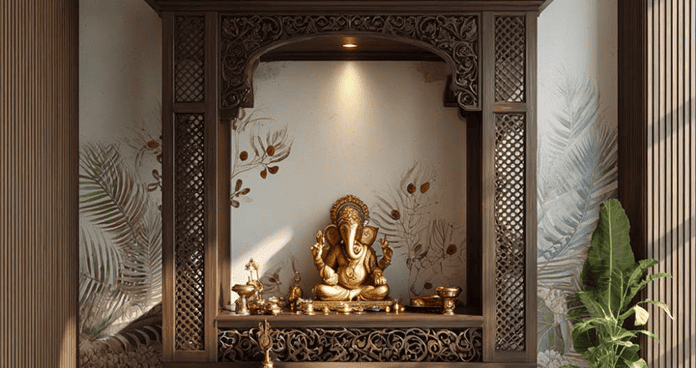
A pooja room does not need to be a large separate room. It can be a shelf, a cabinet, or a small corner that helps your family pause, pray, and reconnect. The Spiritual Wall Art for Pooja Room you choose should support that purpose. It should feel respectful, fit the available space, and reflect the traditions that matter in your home.
The best starting point is not a colour trend or a social-media image. Ask a simpler question: what do you want to see when you enter this space? A devotional image can create a clear visual focus without making the room feel crowded. When you are ready to compare themes, browse Spiritual Wall Art at Desiwall.
Tips to Choosing Spiritual Wall Art For Pooja Room
1. Choose a subject that feels right for your family
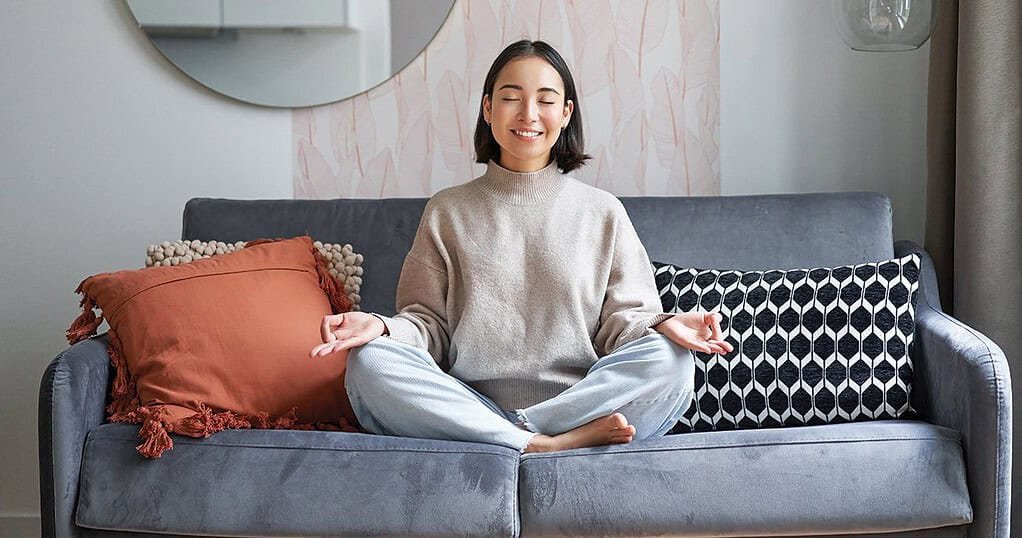
There is no single correct subject for every pooja room. Some families prefer Lord Shiva, Ganesha, Lakshmi, Murugan, Krishna, Buddha, or a traditional devotional image that has personal value. Choose a subject that feels familiar to your household rather than selecting one only because it is popular online.
Home shrines themselves can take many forms, from a dedicated room to a small niche or a simple arrangement of images. The Smithsonian National Museum of Asian Art describes this variety in its guide to worship in Hindu homes. Your pooja-room decor can be modest, personal, and well considered.
2. Match the wall art to the space you have
Measure the clear wall area before choosing art. In a compact pooja corner, one meaningful piece often looks better than several small items competing for attention. Leave enough breathing room around the artwork so the space does not feel busy.
For a larger wall, use one stronger focal piece or a balanced pair of related devotional artworks. Keep practical details in mind too: the art should not block switches, shelves, bells, lamps, or storage. If you are still planning the room itself, our pooja-room size calculator can help you think through the available dimensions. Use it as a planning aid, then make choices that fit your family and home.
3. Pick a calm visual style
Spiritual wall art works best when its colours, subject, and scale feel balanced with the rest of the room. Soft neutrals, warm gold tones, deep blues, greens, or a traditional palette can all work well, depending on the image and your existing decor. You do not need to copy a showroom. A tidy space with one meaningful piece often feels more considered than a wall filled with unrelated prints.
Also consider normal daylight and the softer lighting used during prayer or reflection. Avoid placing art where harsh glare, moisture, or constant movement makes it difficult to appreciate. This is simple home-decor judgment, but it matters every day.
4. Build a cohesive spiritual wall
When you add more than one piece, give each artwork a role. You might use one main devotional image and one smaller traditional artwork, or choose two related pieces with a similar colour mood. Do not force every spiritual subject onto the same wall just to fill space.
Someone choosing Shiva-themed decor can first read our guide on decorating with Shiva Lingam wall art at home, then browse the wider spiritual wall-art guide for other ideas. The goal is to make a deliberate choice, not to buy more art than the room needs.
5. Use art as a personal reminder, not a promise
Wall art can make a pooja room feel more complete, but it does not create luck, wealth, health, or a guaranteed Vastu outcome. Those claims are not honest. Choose devotional decor because it feels meaningful to you, complements your home, and gives the space a character your family appreciates.
If you enjoy the cultural history behind devotional imagery, the Metropolitan Museum of Art has a useful introduction to Hinduism and Hindu art. Reading beyond shopping pages can help you choose art with more care and context.
A simple checklist before you choose
- Choose a subject that suits your household and personal devotion.
- Measure the clear wall space before deciding on artwork size.
- Keep the room functional for prayer, storage, lighting, and daily use.
- Use one focal piece before adding smaller supporting art.
- Choose colours that work with the room rather than chasing a trend.
- Compare related themes through one focused spiritual wall-art collection.
Browse Spiritual Wall Art at Desiwall and select a piece that feels right for your pooja room, meditation corner, or quiet place at home.
Choose the right wall-art size
Measure the empty wall after placing the pooja cabinet, shelf, lamps and storage. The artwork should not block doors, ventilation or access for cleaning. Use paper cut to the proposed frame size and tape it to the wall for one day before ordering.
| Space | Simple starting point |
|---|---|
| Small shelf or apartment corner | One compact vertical frame or a small pair |
| Wall above a pooja cabinet | One frame narrower than the cabinet, with clear space around it |
| Dedicated pooja room | One main focal artwork plus smaller pieces only if the wall remains calm |
| Living-room prayer corner | A design that respects the prayer function and also fits the room’s colours |
These are visual guidelines, not religious rules. Frame sizes vary, so check the complete outer dimensions rather than the printed image size.
Lighting, cleaning and safety
- Keep paper, canvas and frames away from diya flames and incense heat.
- Use soft warm light that does not create strong glare on glass or acrylic.
- Wipe frames with a soft dry cloth and follow the seller’s care instructions.
- Avoid direct sunlight, damp walls and water splashes that may fade or damage the art.
- Use suitable wall plugs and hooks for the frame weight, especially above a cabinet.
Build a simple pooja-room colour palette
Start with the existing cabinet, wall and floor colours. Warm wood, cream, brass and muted saffron can create a traditional feel. White, pale grey, natural wood and one soft accent colour can feel more modern. Let one spiritual artwork carry the strongest colour instead of repeating many bright shades across every object.
If you are ready to compare designs, browse the Desiwall spiritual wall art collection. Check the subject, outer frame size, material and return terms before ordering.
Frequently asked questions
Can I use spiritual wall art in a small pooja room?
Yes. A small space usually benefits from one meaningful artwork with enough clear wall space around it. Focus on proportion and avoid overcrowding the room.
Which spiritual subject should I choose for a pooja room?
Choose a subject that is relevant to your household, traditions, and personal devotion. There is no universal choice that suits every family.
Should spiritual wall art follow Vastu rules?
Families follow different customs. Use practical placement, keep the space uncluttered, and follow traditions you trust. Avoid treating decor as a guaranteed solution for life outcomes.
Can spiritual wall art also work in a living room or meditation corner?
Yes. A calm, well-placed devotional artwork can suit any respectful space where your family wants a quiet visual focus.
Choose a piece that feels meaningful to your family. Explore Desiwall wall art for your home.
Respect the image and the room
A spiritual image may have personal meaning for the family, so place it where daily activity will not repeatedly knock, splash or cover it. Avoid using sacred imagery merely to fill an awkward gap beside storage. If the pooja room already has a main deity or focal image, supporting wall art should remain visually quieter.
When giving spiritual wall art as a gift, ask about the family’s tradition, available wall space and preferred subject. A beautiful image can still be the wrong gift if the recipient does not have a respectful or safe place to display it.
Get ₹100 off your first order
Sign up and we'll send your code right away. You'll also hear about new wall art and offers first.
First order only. Min. order ₹999.